Home›Blog ›Veterinary X-Ray Table: How Collimators Elevate Pet Imaging Safety & Accuracy
Veterinary X-Ray Table: How Collimators Elevate Pet Imaging Safety & Accuracy
For veterinary clinics, animal hospitals, and research institutions, the goal of radiography is simple: capture sharp, diagnostic-quality images while keeping pets safe from unnecessary radiation exposure. The veterinary X-ray table is the foundation of this process—but its full potential is unlocked when paired with a high-quality collimator. Together, they form a system that balances flexibility, precision, and safety for every patient, from small cats and dogs to larger companion animals.
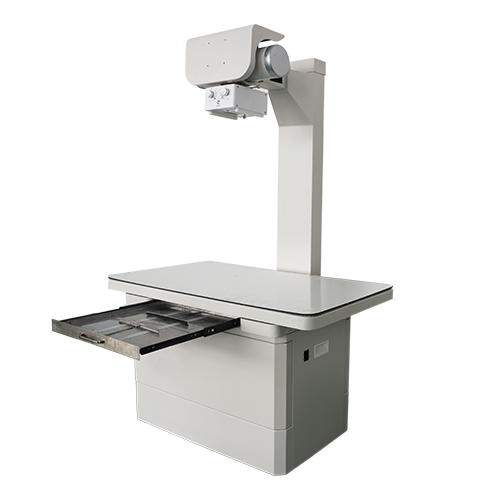
The Veterinary X-Ray Table: Built for Versatile Pet Care
This animal X-ray table is engineered to meet the unique needs of veterinary imaging, with features that simplify workflows and adapt to diverse patient cases:
- Patient Positioning Freedom: The 1200mm x 700mm polyurethane tabletop floats in four directions and locks securely via electromagnetic control, making it easy to position pets for standing, lying, or lateral views of the head, chest, abdomen, limbs, and skeletal structures. The table’s 720mm height and compact footprint also ensure it fits seamlessly in busy clinics or teaching labs.
- Detector Compatibility: The built-in cassette system supports CR, DR, and IP boards of all sizes, eliminating the need for additional equipment and ensuring compatibility with existing imaging setups.
- Flexible Power Options: With 20kW to 50kW power ratings (up to 630mA optional), the table works with a range of veterinary X-ray generators and tubes, delivering consistent output for every imaging scenario.
While these features create a solid base, the collimator transforms the table from a basic platform into a precision-focused tool.
Why Collimators Are Non-Negotiable for Veterinary Radiography
A collimator (or beamer) is more than just an accessory—it’s the bridge between the table’s positioning capabilities and safe, effective imaging. Here’s how they work together to improve outcomes:
1. Targeted Radiation Exposure for Every Patient
Pets come in all shapes and sizes, from tiny toy breeds to large working dogs. The collimator’s adjustable lead shutters narrow the X-ray beam to match the exact area of interest, whether it’s a small paw or a full chest. When paired with the veterinary table’s precise positioning, this means only the area being examined receives radiation. This is critical for small animals, where even minor overexposure can pose significant risks.
The collimator’s built-in light field further simplifies this process: it projects the intended radiation area onto the pet’s body, letting technicians confirm alignment before the X-ray is fired. Combined with the table’s floating surface, this reduces the need for repeated adjustments, cutting down on retakes and unnecessary radiation exposure.
2. Reduced Scatter, Clearer Diagnostic Images
Scatter radiation is one of the biggest enemies of image clarity in radiography. When X-rays spread beyond the target area, they create background noise that blurs fine details, making it harder to spot fractures, tumors, or foreign objects. The collimator’s tight beam control minimizes scatter by limiting the radiation field to the detector size.
On the veterinary table, this synergy is especially impactful. The collimator’s beam aligns perfectly with the table’s cassette and detector system, ensuring the full beam reaches the imaging plate without stray radiation. The result is crisp, high-contrast images that help veterinarians make confident diagnoses the first time, no matter the pet’s size or position.
3. Safety for Pets, Staff, and Long-Term Care
Radiation safety is a top priority in veterinary medicine, both for patients and the team working around the X-ray room. The collimator plays a key role in protecting everyone involved:
- Patient Safety: By reducing the radiation field, the collimator lowers the effective dose received by pets, particularly critical for young, pregnant, or immunocompromised animals.
- Staff Safety: Less scatter radiation means lower exposure risk for technicians and veterinarians, even during repeated exams or complex cases.
- Long-Term Reliability: The collimator’s consistent beam control also extends the life of the table’s detectors by reducing unnecessary wear from stray radiation.
Real-World Applications: From Clinics to Research Labs
This table-collimator system shines in every setting where veterinary imaging is needed:
- Pet Hospitals & Clinics: For routine checkups, injury assessments, and post-surgical follow-ups, the pair delivers fast, reliable results that keep workflows moving.
- Teaching & Research Institutions: The precise alignment and adjustable beam make it ideal for training students and conducting scientific studies, where consistent, repeatable imaging is essential.
- Specialized Cases: From orthopedic evaluations to abdominal imaging, the collimator’s flexibility pairs with the table’s multi-view capabilities to handle even the most challenging patients.
Final Thought: A System Built for Veterinary Excellence
The veterinary X-ray table provides the stability and flexibility needed for pet imaging—but the collimator adds the precision and safety that modern veterinary care demands. Together, they eliminate guesswork, reduce retakes, and deliver the high-quality images veterinarians need to provide the best possible care. For any practice looking to upgrade its radiography setup, investing in a table-collimator pair isn’t just a choice—it’s a commitment to safer, more effective pet care.
Author:X Ray Collimator
X Ray Collimator
Blog
- NK202X X-Ray Collimator: The Core Component for Safe, Precise X-Ray Imaging
- Electric X-ray Collimator (Electric Beam Limiter)
- How to Choose the Right X-ray Collimator: Complete Selection Guide
- Veterinary X-ray Collimator for Pet DR System
- Post-Replacement Commissioning & Calibration for Medical X-Ray Collimator
contact us
TEL:+86 19015366638
E-mail:newheekcn@163.com
Company:Weifang Newheek Electronic Tech Co., Ltd.
ADD:E Building of Future Star Scientific Innovation Industrial Zone of No.957 Wolong East Street, Yulong Community, Xincheng Sub-District Office, Weifang Hi-tech Zone, Shandong Province, China